
Heating and cooling in one system
Heat Pump Installation in Wakefield
A cold-climate heat pump designed around how your house actually loses heat, installed neatly and handed over with every control explained.
Matching the Equipment to Your Actual House
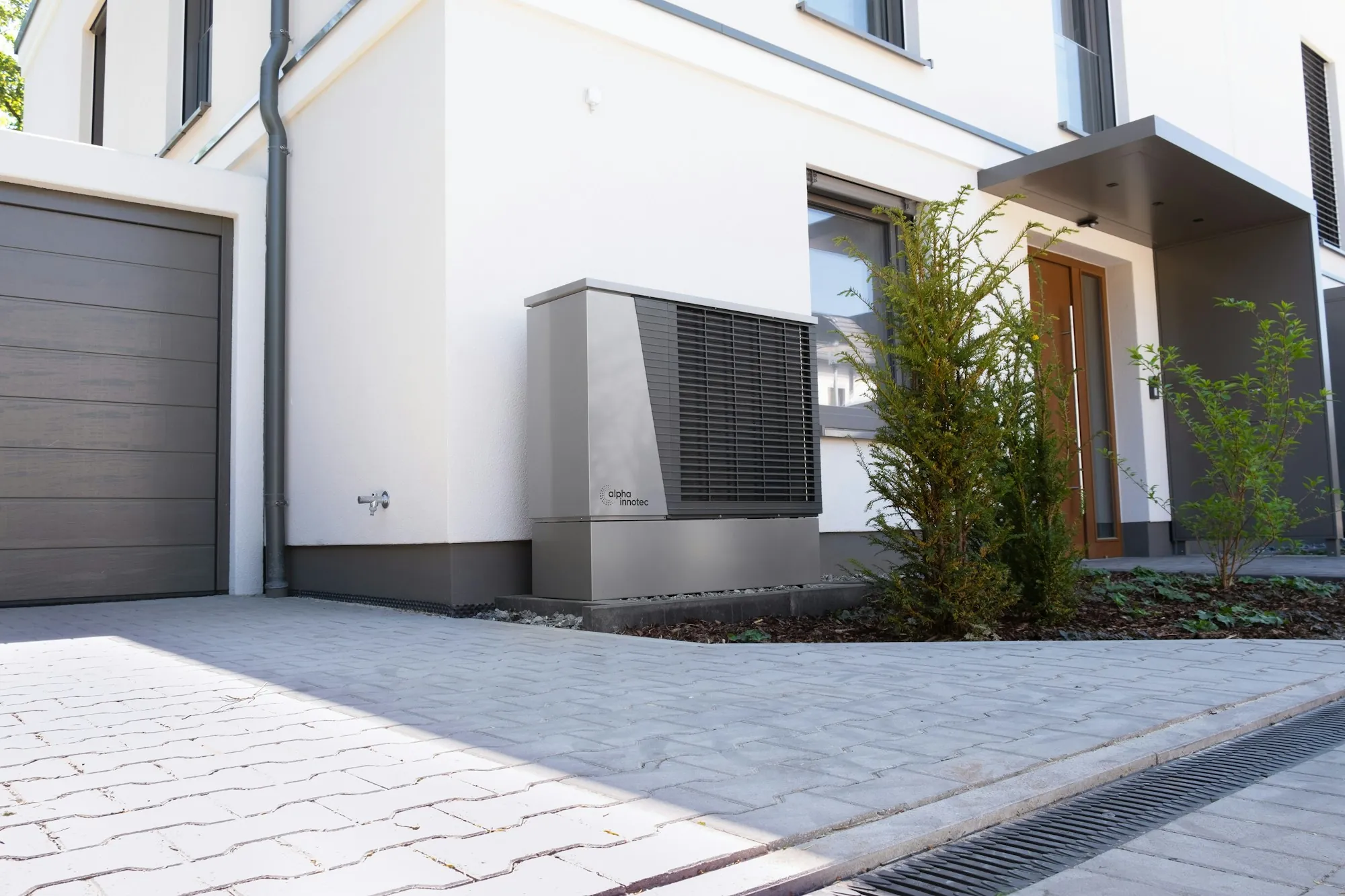
Rather than burning oil or gas, a heat pump relocates heat. Through the winter it gathers warmth from outdoor air, even frigid air, and releases it indoors; once summer arrives the cycle flips and the rooms cool down. Today's cold-climate models keep at it through the deepest cold snaps our winters bring, which is why so many owners of older colonials, capes and two-families are leaving oil and gas behind. The part that decides whether you end up happy is the design. We start with a visit to measure rooms, look at windows and insulation and note where the old system struggles. From that we work out the heat loss of the house and choose equipment that can carry it, ducts where they are worth reusing, wall heads where they are absent, or some of each. You get a written proposal that shows the equipment, the installed price and the rebate and financing picture side by side. In Wakefield that picture runs through the town light department rather than Mass Save, so we explain the difference before you decide. On install day the crew protects floors, routes line sets tidily and wires the controls. Then we test the system, show you how each thermostat works and leave you with a house that heats and cools from one quiet setup.
Inside a Typical Install
Houses vary, yet these tasks turn up on almost every job.
Heat-loss design
Room measurements, insulation and window notes turned into a design load, so the equipment matches the house rather than the old boiler.
Equipment choice
Cold-climate condensers matched with an air handler, wall heads or a combination, picked to qualify for the rebate path your accounts allow.
Indoor head placement
Heads located where air can reach the rooms that need it, without blocking windows, furniture or sightlines you care about.
Outdoor unit setting
A stand or wall bracket that keeps the unit above snow and drains cleanly, placed with neighbors and walkways in mind.
Line set routing
Refrigerant lines run in covered channels along the outside of the house or through closets, kept straight and as short as practical.
Electrical coordination
Dedicated circuits arranged as part of the job, with any panel questions raised at the visit rather than on install day.
Startup testing
Pressure checks, refrigerant charge and airflow confirmed before the system is handed over.
Controls walkthrough
Each thermostat or remote explained, plus simple habits that keep the system efficient through the seasons.
How the Install Moves Along
Phone, then a visit
First a phone conversation about the house and your utility accounts, then a visit to measure rooms and study the current heating setup and any ductwork.
Design and proposal
You receive the equipment list, the installed price and the expected rebate and loan amounts in writing, and we go over every line together.
Installation day
Condenser and indoor equipment mounted, refrigerant lines and thermostats hooked up, the boiler or furnace dealt with per the proposal, and every room swept before we go.
Why Owners Hand Us the Job
Sized, not swapped
Equipment comes from a heat-loss design, not a guess based on what was there before.
Clean work
Floors protected, line sets neat and every room left the way it was.
Numbers first
Price, rebate and financing set out before anyone picks up a tool.
- Measured heat loss
- Built for deep cold
- Neat line sets
- Controls explained
Wondering What Your House Would Need?
Give us a picture of the rooms and the fuel you rely on. You will hear the likely equipment, the next steps and how rebates and financing could shape the cost.